
Shipping Fleece Blankets? Here's How to Slash Your Freight Costs
Two proven compression methods to reduce volume, lower freight costs, and protect your margins.
When you’re sourcing fleece blankets in bulk — whether sofa throws, camping blankets, or holiday gift blankets — you’ll likely face one common frustration: shipping costs that eat into your margin.
The culprit isn’t weight. It’s volume. Materials like coral fleece, sherpa, and flannel are naturally fluffy and bulky. A single blanket may not weigh much, but folded up, it takes up significant space. When you order hundreds or thousands, that volume quickly fills containers — and sea freight and air freight are often charged by volumetric weight, not actual weight.
This means: your packaging directly impacts your bottom line. The good news is there are two proven compression methods that dramatically reduce blanket volume for shipping. Here’s how they work, and how to choose.
Method 1: Vacuum Compression — Smallest Volume, but With Risks
Vacuum compression works by placing blankets into a specialized plastic bag, extracting the air, and heat-sealing the opening.
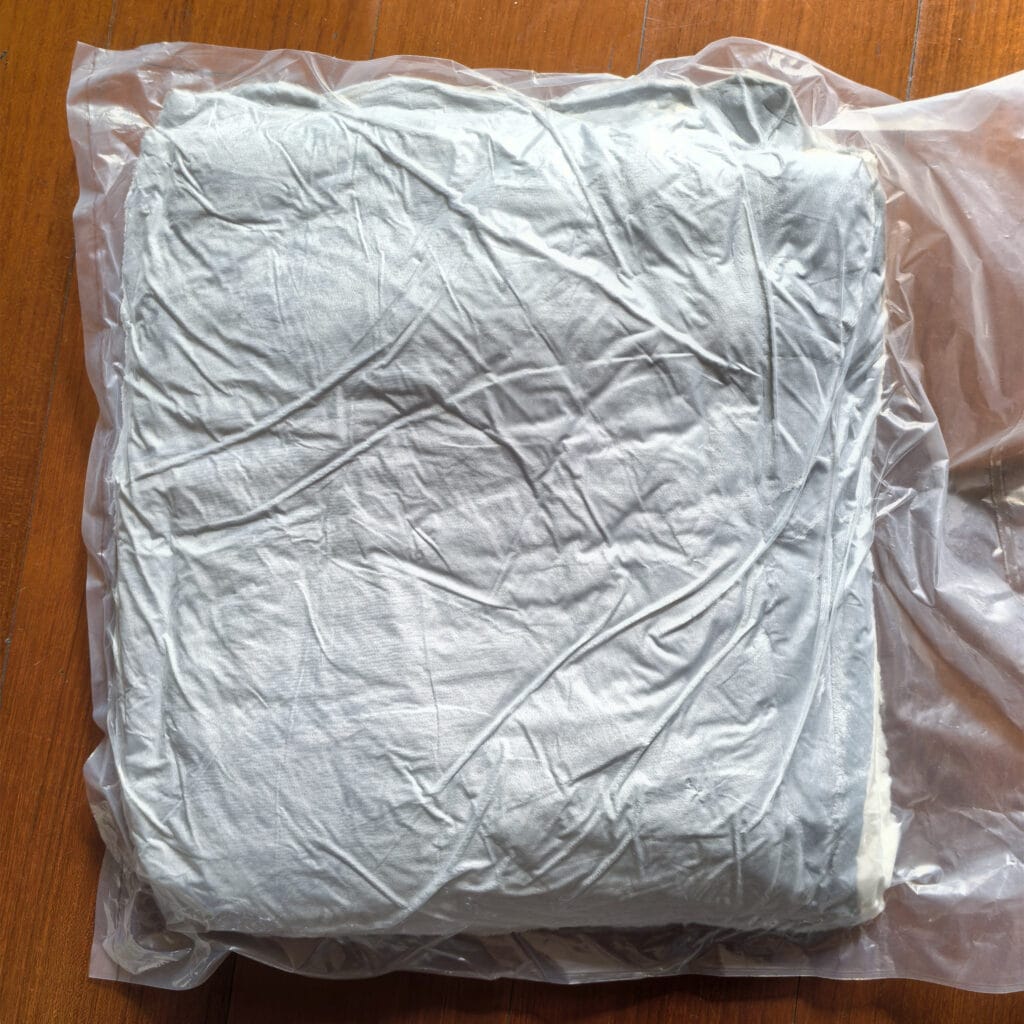
Result: Volume can be reduced to about one-third of the original size. That means a container that originally fits 1,000 blankets could now accommodate close to 3,000. For large orders where container space is at a premium, vacuum compression is the most cost-effective option.
But there’s a known issue: potential air leakage. During long-haul ocean shipping, seals can weaken due to vibration, friction, or temperature changes. If a bag leaks, air seeps back in, and the blanket expands inside the carton — causing boxes to bulge or even burst.
Method 2: Machine Roll Compression — The More Reliable Choice
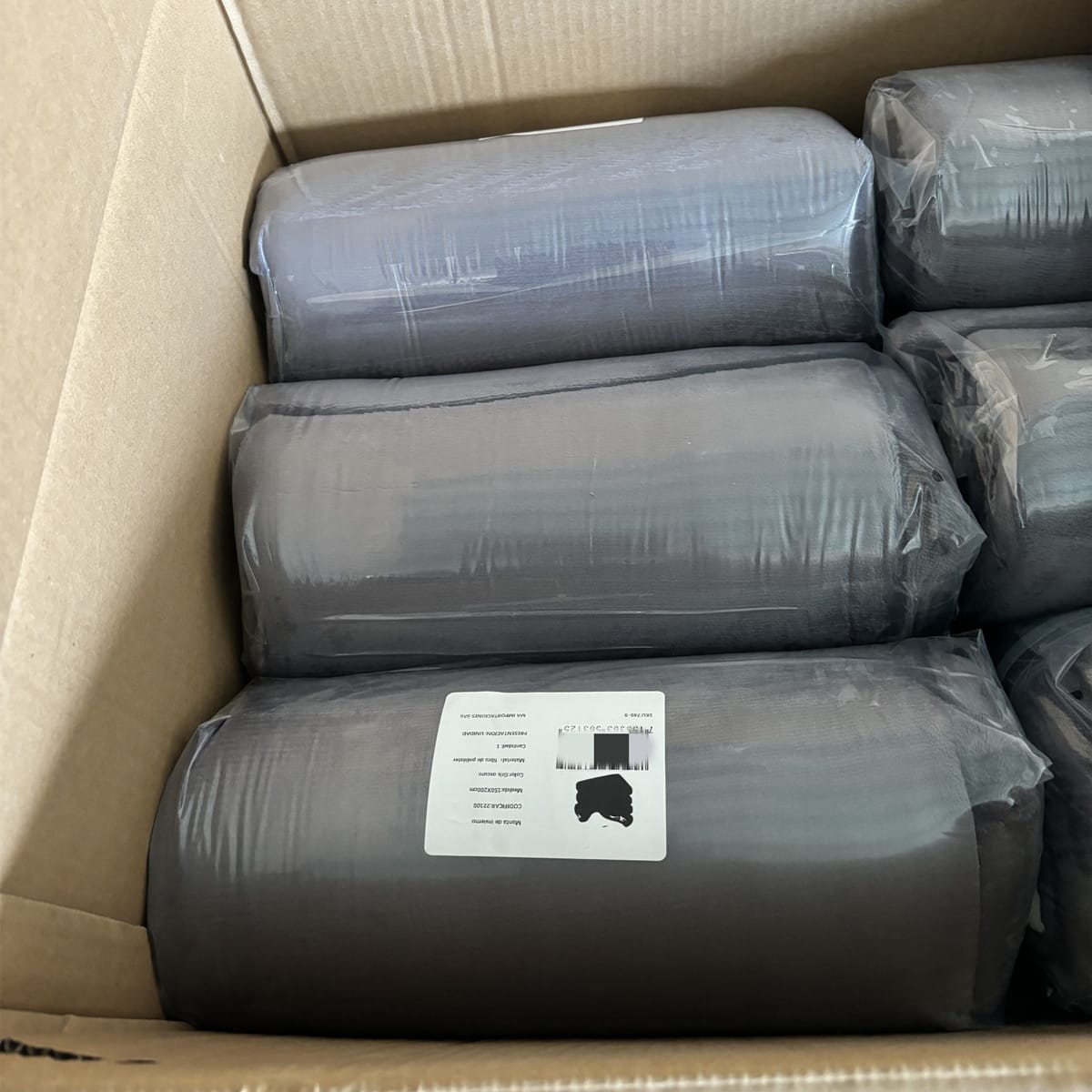
This method uses specialized machinery to tightly roll the blanket and secure it in place, reducing volume without relying on air-tight seals.
Result: Volume can be reduced to about one-half of the original size. While roll compression doesn’t achieve the same extreme reduction as vacuum packing, its key advantage is stability. No leaks, no bulging cartons, no surprises at customs or at your warehouse.
Quick Comparison
Will the Blanket Look Flat When Unpacked? Don't Worry.
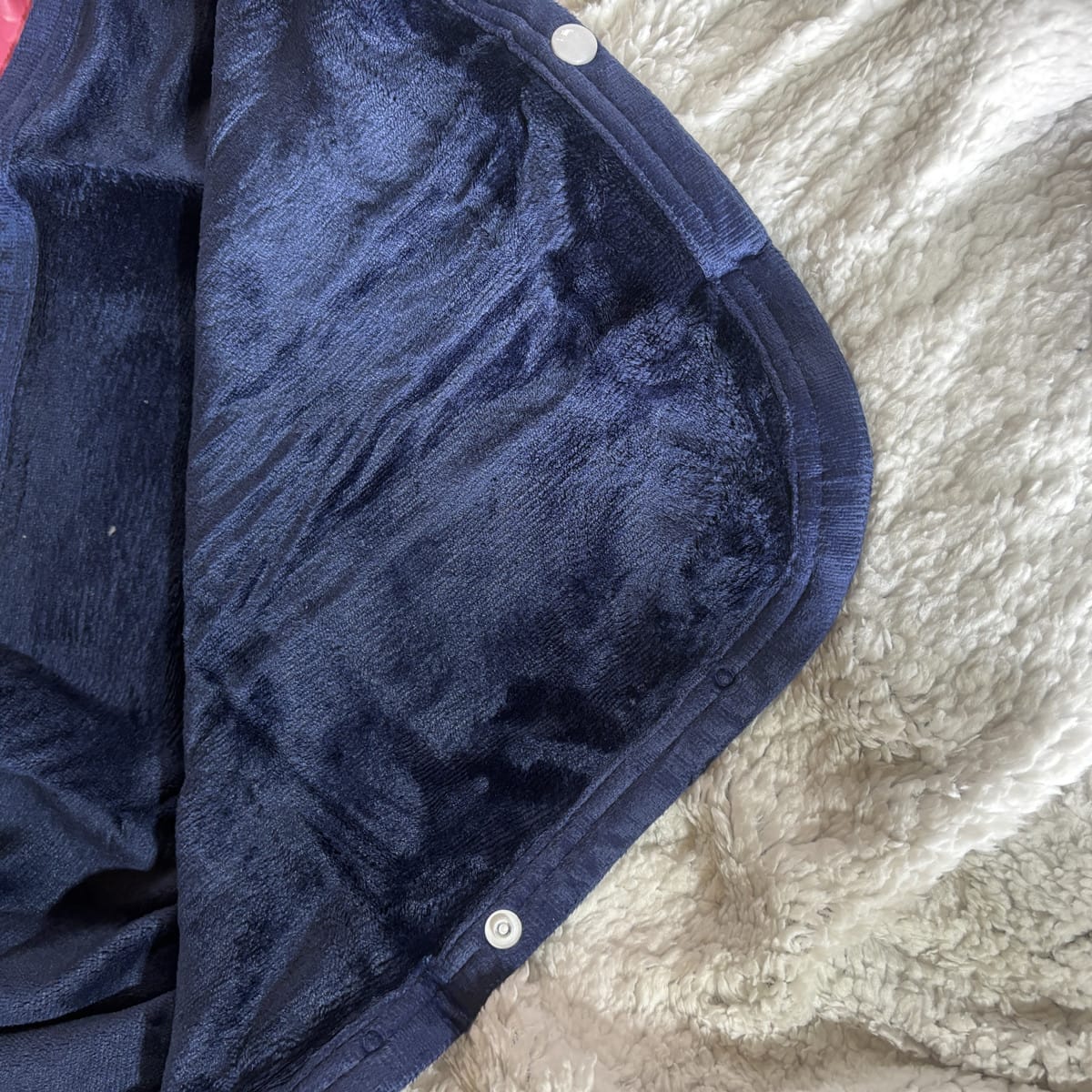
Whichever method is used, the blanket will likely look less fluffy and plush when first unpacked — simply because the fibers have been under pressure for an extended period. This is not a quality issue. The fibers are temporarily compressed, not damaged.
To restore the blanket to its original soft, plush state: (1) Let it rest — remove from packaging and let the blanket sit flat for a few hours to a day. (2) Wash and air dry — machine wash in cold water on a gentle cycle and air dry or tumble dry on low heat. After washing and drying, the fleece returns to its full, soft loft.
Our Recommendation
Based on nine years of shipping custom fleece blankets to the USA, Europe, and Japan, we typically recommend machine roll compression as the default choice. While it doesn’t achieve the absolute smallest volume, it delivers far greater stability and peace of mind.
If container space is extremely tight and you’re comfortable with the trade-off, we also offer vacuum compression with strict quality checks on every seal.
Unsure Which Packaging Method Fits Your Order?
Contact us — we’ll advise based on your product type, order quantity, and destination port.
